




Pharmauticals
Contact us or Solution Information
Send us your request, and our experts will get back to you promptly with the best solution tailored to your need
The right climate for pharmaceutical production
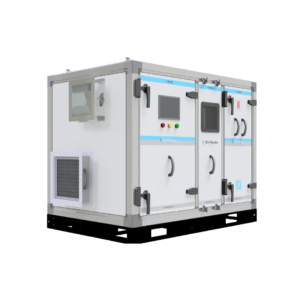
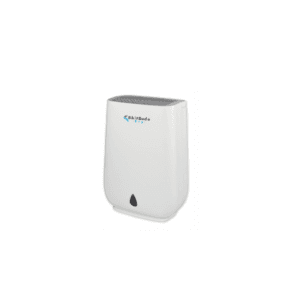
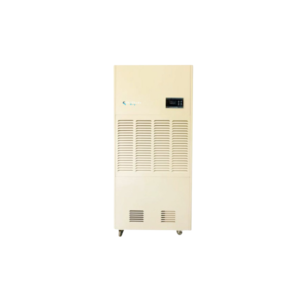
Shitshudo Humidity Control ensures precision for pharmaceutical & nutraceutical manufacturing. Keep formulations stable, extend shelf life, and prevent costly moisture-related issues.
Excess humidity can cause products to clump, break, or spoil, while also clogging machines and pipes. Shitshudo’s desiccant dehumidifiers maintain optimal conditions for tablets, capsules, powders, and strips—suppressing microbial growth and ensuring smooth production.
For a perfect climate, reliable quality, and energy-efficient performance, trust Shitshudo.
Applications for pharmaceutical and nutraceutical industry
-
Processing
-
For Every step in manufacturing
-
Biologics, Vaccines & Parentiral Product
-
Clean room & Labs
Processing
One of the most effective ways to protect raw materials and products during manufacturing, storage, and transport is to control the surrounding environment. The key is to regulate, monitor, and maintain optimal humidity levels continuously, throughout all production processes, from raw material to end-product.

-
Storage
-
Product Drying
-
Weighing, mixing and granulating
-
Milling, compressing and tableting
-
Coating
-
Packaging
Storage of ingredients
Stable humidity control in dry storage areas helps prevent condensation, improves powder flow, and reduces the need for frequent cleaning.
Storage of products
Every effort must be made to maintain quality and efficacy until the product leaves the plant. Providing low-humidity air to cold storage areas prevents ice, frost, and fog, and improves worker safety. After production, dried capsule shells are vulnerable to the effects of fluctuating humidity, which can compromise their mechanical strength and appearance. A stable climate during packaging and storage minimizes these risk
Humidity control systems help ensure the proper conditions for softgel and hard-capsule drying. Ideal air quality helps ensure that softgels dry quickly and meet quality standards. Munters can provide precise drying conditions for pharmaceutical products, whether gelatin, hydroxypropyl methylcellulose (HPMC) or other formulations. Proper humidity control can protect the moisture content of both filled and empty capsules.
Optimal environmental conditions ensure that excipients and APIs can be continuously and reliably blended, while preventing excess moisture from affecting the mechanical and chemical properties. The right balance of moisture keeps granulating mixture in equilibrium with the air around it, maintaining the moisture content required for granules to form.
Maintaining the specified humidity set point results in higher throughput, prevents product sticking, and reduces stoppage and waste. It also cuts energy consumption and improves dosing accuracy.
Smooth coatings with a consistent thickness offer proper dispersion characteristics and maximum visual appeal. Prevent coating problems, such as roughness or ‘orange peel’ defects, blistering, hazing, sticking, picking, and erosion, by selecting and providing the right drying conditions.
Along with tablets and capsules, surrounding air also gets sealed into blister packaging. With the right humidity level, packaged products will be more durable and longer-lasting. During the blow-fill-seal packaging process, condensation on cold surfaces can cause imperfections that affect appearance and structural integrity. Controlling the dew point of the air that surrounds the packaging during the blow-forming process can prevent condensation.
Biologics, vaccines and parenteral products
Product quality depends on manufacturing in a clean, controlled area. Relative humidity (RH) exceeding 70% increases the potential for microbial growth. Proper humidity control reduces drying time following cleaning operations and the vials’ final was.
Clean room and labs
Everything in a clean room and research and development laboratory must be accounted for and within specification, including the purity of the air. Without proper humidity control, the exterior climate can affect room conditions. Maintaining the right humidity levels helps optimize cleaning and sterilization of cleanrooms and equipment.
Removing moisture from the air before hydrogen peroxide vaporization increases saturation levels, providing the highest efficacy. After cleaning, introducing dry air accelerates the drying process, making it possible to return the cleanroom to operation more quickly.